

This article may contain affiliate links, which means we may earn a commission at no additional cost to you. We only recommend products we believe offer real value to our readers.
Table of Contents
Easy fresh pasta dough recipe, there is something truly special about making fresh pasta dough at home: the aroma of flour, the feel of the dough between your hands, and the anticipation of a final result that evokes the warmth of Italian kitchens. When I first started, I believed that making pasta from scratch required a lot of time and effort and that hand-kneading was the only way to achieve great results. However, with time and experience, I discovered that using an electric stand mixer can make the process much easier, without sacrificing the joy or the quality of homemade fresh pasta.
In this step-by-step guide to making fresh pasta dough using an electric stand mixer, I’m sharing my personal experience with preparing pasta at home in a practical, stress-free way, especially when using a versatile stand mixer with a dough hook attachment. This machine doesn’t just save time and effort; it also helps me achieve a smooth, elastic dough every single time, even on busy days or when I’m making a larger batch for the family.
What I love most about making pasta dough this way is the sense of ease and confidence it brings to the kitchen. Instead of focusing on tiring manual kneading, I now have the time to truly enjoy the process itself, experimenting with different pasta shapes and even involving family members in cutting and shaping the dough. Whether you enjoy calm, leisurely cooking on the weekend or are looking for a method that makes everyday recipes simpler and more organized, using an electric stand mixer completely changes how you experience homemade pasta.
In the following sections, you’ll find clear and simple steps for making fresh pasta dough using an electric stand mixer, along with real-life tips that help you avoid common mistakes and achieve a result you can be proud of from the very first try.
Tools Needed to Make Easy Fresh Pasta Dough Recipe
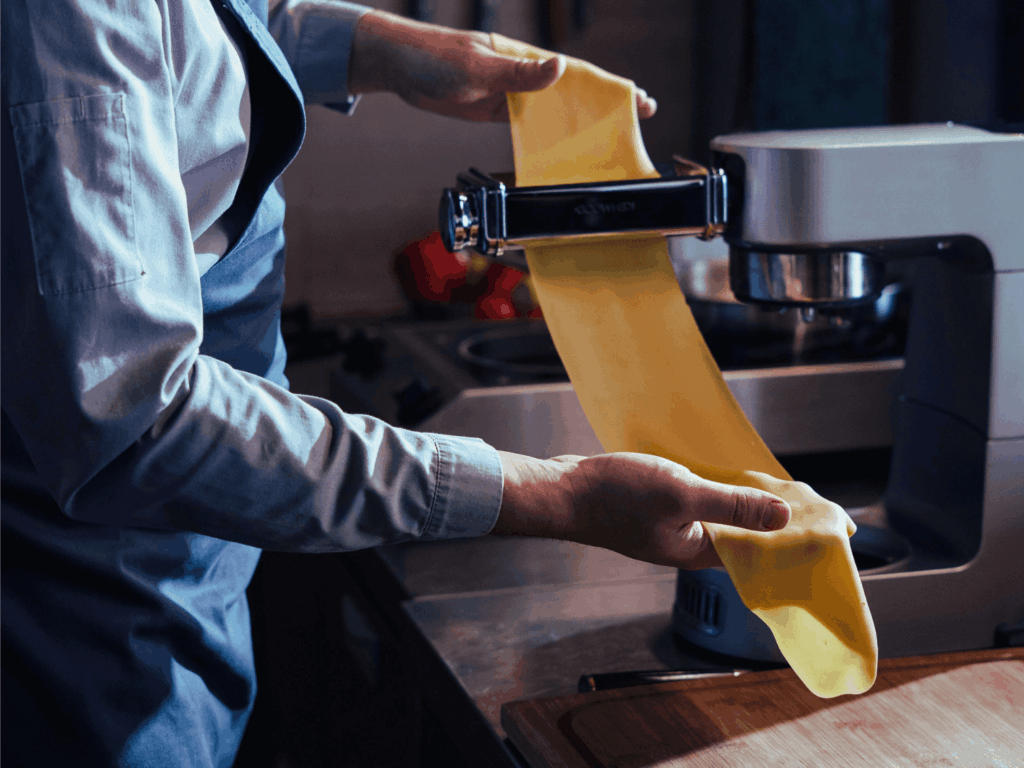
Before you begin making fresh pasta dough using an electric stand mixer, it’s a lovely idea to take a moment to prepare your tools calmly; this simple step makes the cooking experience smoother and more enjoyable. Fortunately, you won’t need much equipment at all, just a few essential tools that you likely already have in your kitchen.
The most important tool in this recipe is an electric stand mixer equipped with a dough hook. It takes care of the kneading process for you and saves a great deal of effort, especially if you make pasta frequently or prepare larger batches. You can order one through the link provided, as having a stand mixer is incredibly helpful for creating a wide variety of delicious dishes and is truly a worthwhile long-term investment.
By preparing these tools in advance, you’ll notice that making fresh pasta dough becomes a calm and well-organized experience, giving you the space to enjoy each step without feeling rushed.
Essential Ingredients (for a Successful Result)
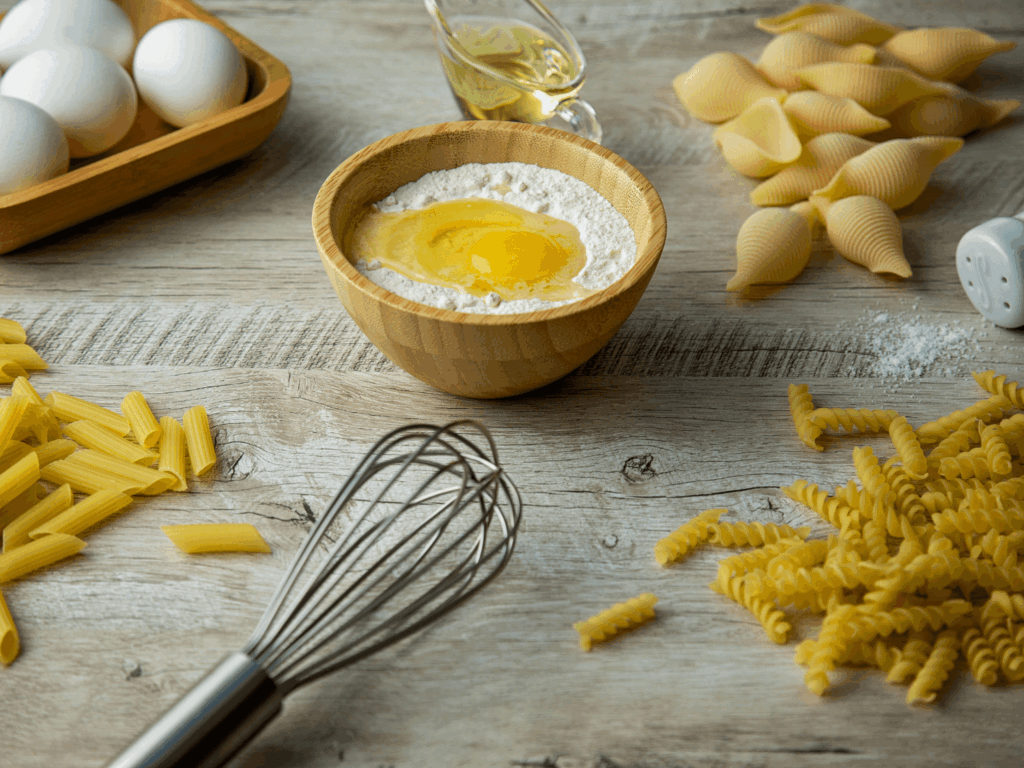
2 cups of flour all-purpose flour or pasta-specific flour works best
2 large, room-temperature eggs
a pinch of salt
1 to 2 tablespoons of water, as needed
Note: Water quantity may vary depending on the flour used and egg size, so add it slowly as needed.
Step 1: Prepare the Mixer and Combine the Ingredients
Add the flour and a pinch of salt to the stand mixer bowl.
Add the eggs on top of the flour
Turn on the stand mixer at a low speed (Speed 1) for 30–60 seconds, until the mixture starts to come together.
At this stage, the mixture may look crumbly, and that’s completely normal.
Step 2: Knead the Dough Using the Dough Hook
Increase the speed to medium-low (Speed 2).
Let the stand mixer knead the dough for 6–8 minutes.
While Kneading, Monitor the Dough Consistency
If the dough remains crumbly and dry after two minutes, add 1 teaspoon of water, wait 20 seconds, and repeat if necessary.
If the dough becomes too sticky and starts sticking to the sides of the bowl, add 1 teaspoon of flour gradually.
The correct consistency: a cohesive dough that is relatively smooth, elastic, and not overly sticky.
Step 3: Quickly Test the Dough Consistency
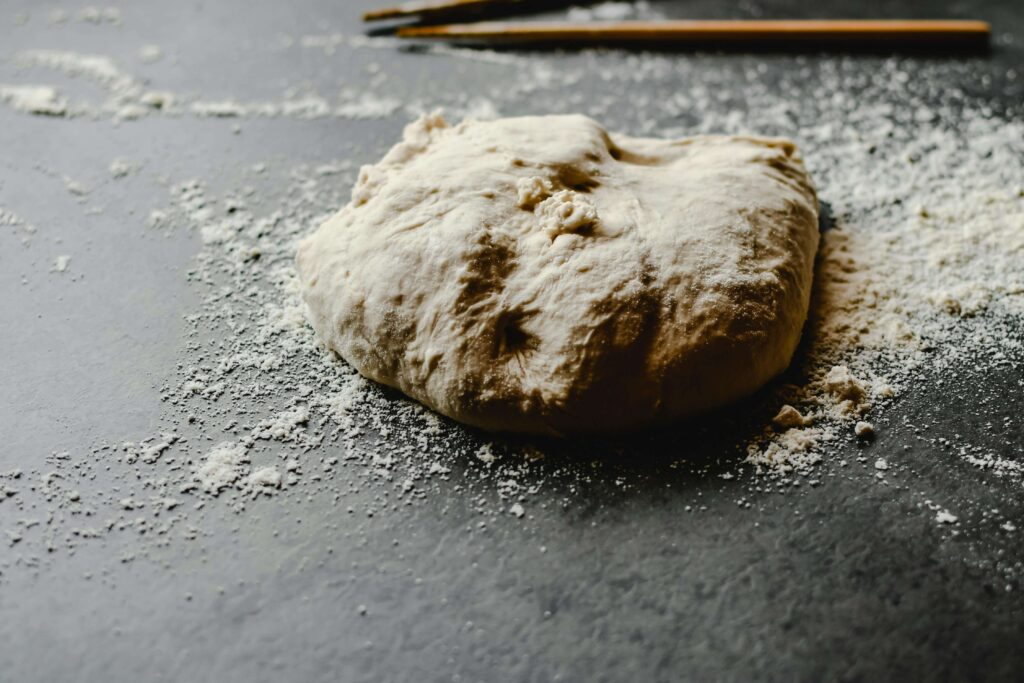
Take a small piece and press it with your finger:
If the dough springs back slowly = perfect
If it cracks easily = it needs moisture (a little water)
If it sticks heavily = it needs a little flour)
Step 4: Let the Dough Rest (Very Important)
Shape the dough into a ball, wrap it in plastic wrap or place it in an airtight bag, then let it rest:
30 minutes at room temperature
or
Up to 1 hour for better results if the weather is cold.
This step makes the dough easier to roll out and reduces its tendency to spring back during rolling.
Step 5: Roll Out the Dough and Prepare It for Pasta After Resting
Divide the dough into 4 portions (to make it easier to handle).
Flatten each portion slightly by hand or with a rolling pin.
Run the dough through the pasta machine until it reaches your desired thickness.
Then cut it into your preferred shape using the cutters:
Fettuccine
Tagliatelle
Lasagna
Or any other shape
Step 6: Cooking the Fresh Pasta
Bring a large pot of well-salted water to a boil, then cook the fresh pasta:
2 to 4 minutes only (less than dried pasta)
Golden Tips for Perfect Pasta Dough Using a Stand Mixer
Although making easy fresh pasta dough recipe with an electric stand mixer is an easy and enjoyable process, small details can make a big difference in the final result. Through experience, I’ve learned that paying attention to these points while preparing fresh pasta dough helps achieve a more elastic dough that’s easier to roll out and much closer to the ideal texture.
First, avoid increasing the kneading speed too much when making fresh pasta dough. High speeds can overheat the dough, which affects its structure and makes it less elastic. Medium to low speeds are the best choice for achieving a well-balanced and successful dough.
Second, resting the dough is not a secondary or optional step when making fresh pasta dough. Allowing the dough to rest after kneading helps relax the gluten, making it much easier to roll out later and preventing it from shrinking or cracking.
If you’re making the dough in a dry environment while preparing fresh pasta dough, you may need to add slightly more water than usual. The key is to add it gradually, so you reach the correct consistency without the dough becoming sticky.
Finally, when rolling out the dough as part of making fresh pasta dough, use flour sparingly and only when needed. Too much flour can make the dough dry and tough, while a light dusting helps maintain a soft, smooth, and elastic texture.
These simple tips will help you master the process of making fresh pasta dough, achieve successful results every time, and enjoy the cooking experience without stress or unnecessary effort.
Discover the Essential Cooking and Baking Tools